

Homeowner Tips · November 11, 2026
Before the Pipes Freeze: Your Lexington Winter Prep List
- Free Second Opinions
- 4.9 Stars on Google
- 24/7 Emergency Service
- Transparent Pricing

Before the Pipes Freeze: Your Lexington Winter Prep List
Central Kentucky winters like to fake you out. You get a stretch of 60-degree afternoons in November, then a cold front rolls through and the overnight low drops into the teens. That’s usually the night something gives. At Synergy Home, a lot of the calls we take in January trace back to a few small jobs that got skipped in the fall. This is the list we’d hand a neighbor in Lexington, starting outside and working in.
Start Outside With the Spigots
Outdoor faucets freeze more often than anything else in the house, and the damage tends to hide. A cracked pipe inside the wall can sit quietly until April, when you turn on the hose and water starts running into your basement or crawl space.
A few minutes now prevents that:
- Disconnect every garden hose. A hose left attached traps water in the faucet, even on a frost-free model.
- If your spigot has an indoor shutoff valve (usually in the basement or crawl space), close it, then open the outdoor tap to drain the line and leave it open.
- Add an insulated faucet cover. They cost a few dollars and buy you a few extra degrees of protection.
Have irrigation lines blown out before the first hard freeze. And the first time you run a frost-free spigot in spring, watch it. Weak pressure or water where it shouldn’t be means the pipe split over the winter.
Give Your Heating System a Real Checkup
Your heat has been sitting idle since March, and the first cold night is a bad time to learn it won’t start. A fall tune-up on your furnace covers the parts that fail most: the flame sensor, igniter, burners, and blower motor. The technician should also inspect the heat exchanger for cracks, since that’s where carbon monoxide can get into your living space.
There’s plenty you can handle yourself:
- Swap the air filter. A standard 1-inch filter needs replacing every one to three months during heating season.
- Move storage boxes and laundry away from the furnace so it can pull in air.
- Test your carbon monoxide detectors.
- If you have a heat pump, keep leaves, branches, and drifting snow away from the outdoor unit.
On cold mornings, a heat pump will sometimes go into defrost mode and puff out steam. That’s normal. If you’re on one of our geothermal heat pumps, the ground loop isn’t affected by outdoor temperatures, but the indoor unit still needs its filter changed and a yearly look.
Set Your Thermostat Up for the Season
A programmable or smart thermostat can lower the temperature while you’re at work or asleep, then warm the house back up before you notice. With a gas furnace, dropping the setting 7 to 10 degrees for eight hours a day can trim your heating costs noticeably.
Heat pumps are different. Big setbacks can trigger the backup electric heat strips during recovery, and those are expensive to run. Keep heat pump setbacks to 2 or 3 degrees, or use a thermostat built to manage heat pumps. Whatever you have, don’t set it below 55 degrees when you travel.
Track Down the Drafts You’ve Gotten Used To
Most Lexington homes have at least one room that never quite keeps up. Often it’s ductwork running through an unheated attic or crawl space, losing heat before it reaches the vent.
Start with the easy fixes:
- Replace worn weatherstripping and add door sweeps where you can see daylight.
- Caulk gaps around window frames and where pipes or wires enter the house.
- Wrap exposed pipes in the crawl space, garage, or unheated basement with foam sleeves.
- Close or cover foundation vents once nights stay below freezing.
If one floor is always cold while another is stuffy, that’s a design problem more than a weatherstripping one. Zoned HVAC heats each area based on how it’s used, so you aren’t overheating the whole house to keep one bedroom comfortable.
Pay Attention to the Air You’re Breathing
Once the windows stay shut, your house recirculates the same air for months, and running the heat dries it out. Winter humidity indoors should sit around 30 to 40 percent. Below that, you’ll notice static shocks, dry sinuses, and gaps opening in hardwood floors. Above it, condensation collects on your windows.
A cheap hygrometer tells you where you stand. If the numbers run low all season, a whole-home humidifier helps. Our indoor air quality team can test your home and recommend what fits it.
Plan for the Day the Power Goes Out
Central Kentucky gets ice storms, and ice brings down power lines. When the power goes out, your furnace blower, heat pump, and sump pump all stop with it. In a hard freeze, an unheated house can get cold enough for pipes to freeze within a day or two.
A standby generator kicks on automatically within seconds and keeps your heat running whether you’re home or not. If you rely on a portable generator, run it outdoors at least 20 feet from the house, never in the garage.
Your Pre-Freeze Checklist
Before the first night in the low 20s, make sure you’ve:
- Disconnected hoses and drained outdoor spigots
- Scheduled a heating tune-up
- Changed your air filter and tested CO detectors
- Insulated exposed pipes and sealed obvious drafts
- Set your thermostat for the season
- Made a plan for power outages
Head Into Winter Knowing Your Home Is Ready
You can knock out most of this list on a Saturday afternoon. For the parts that need a trained eye, like your furnace, heat pump, or generator, Synergy Home’s technicians can take care of it before the cold arrives. We’re available 24/7 if something goes wrong mid-storm, and our second opinions are always free.
Schedule your winter checkup with Synergy Home and get your home ready before the first hard freeze.
Continue Reading
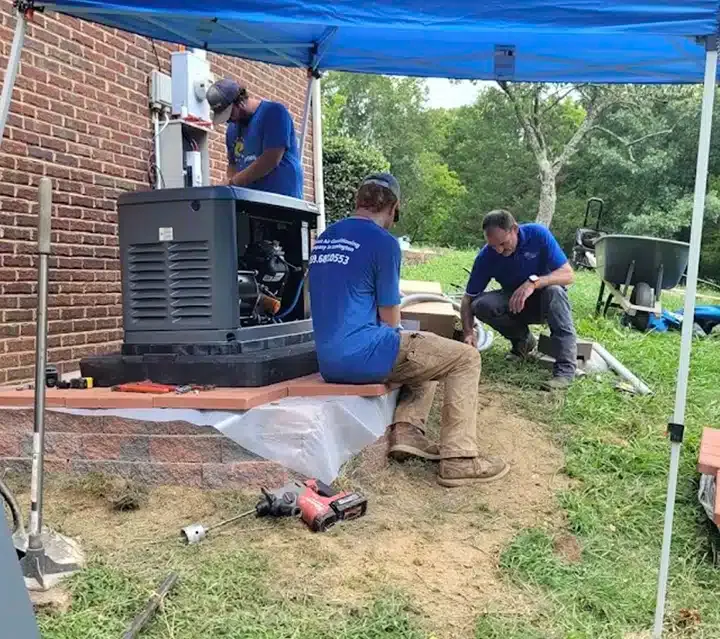 Generators
Is There Any Good Reason to Not Invest in a Whole Home Generator in Lexington?
Power outages in Lexington are not uncommon, and when they happen during winter, the consequences can be serious. Ice storms, high winds, an…
Read More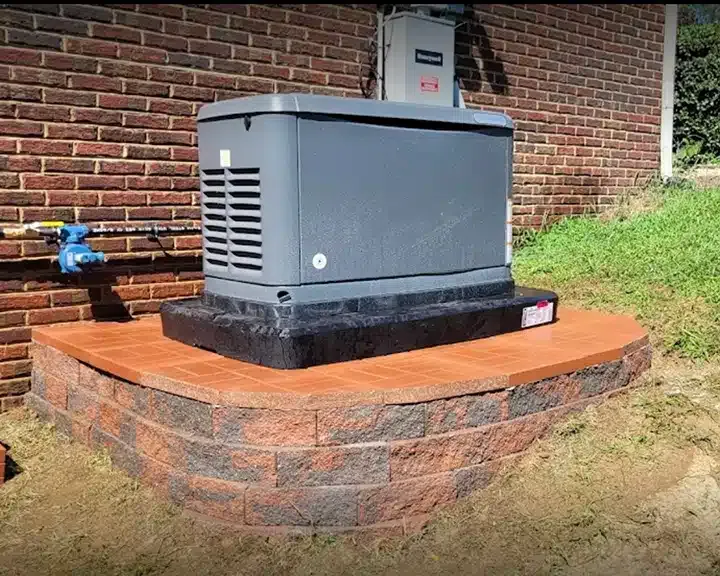 Generators
How A Lexington Generator Can Help During Winter
Winter in Central Kentucky quickly puts the electrical grid to the test with seasonal ice storms, heavy snows, high winds, and sudden temper…
Read More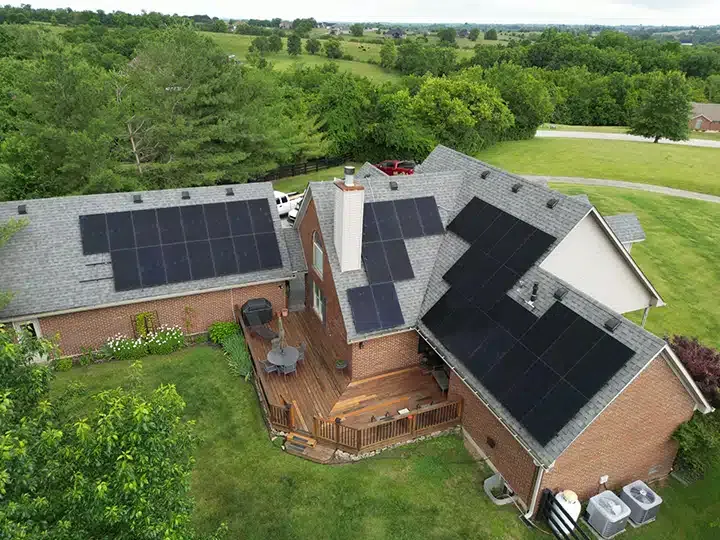 Solar
How Much Do Solar Panels in Lexington Cost?
If you’re thinking about going solar in Lexington, KY , it’s normal to focus on what the price tag will actually look like. One of the most…
Read More





Real Reviews from Your Neighbors
Why People Pick Us

Fast and Flexible ServiceWe work around your schedule, delivering solutions that meet your needs ASAP.

Transparent PricingNo surprises—just upfront, honest pricing you can rely on.

Licensed and Insured
Feel confident knowing every job is handled by certified professionals with your safety in mind.
Coverage
Areas We Serve
Serving Lexington and the surrounding Central Kentucky communities: