

Homeowner Tips · December 19, 2024
Houses Don’t Need to Breathe, Because When They Do They Actually “Suck”!
- Free Second Opinions
- 4.9 Stars on Google
- 24/7 Emergency Service
- Transparent Pricing

Houses Don’t Need to Breathe, Because When They Do They Actually “Suck”!
Sophomoric humor aside, houses that “breathe” through air leaks really do suck. They pull air from all the wrong places. Our Lexington energy efficiency experts call this uncontrolled ventilation (also known as infiltration), and if your home has it, you’re probably feeling the effects whether you realize it or not. Call (859) 687-0553 The Dangers of Uncontrolled Ventilation Unco…
Sophomoric humor aside, houses that “breathe” through air leaks really do suck. They pull air from all the wrong places. Our Lexington energy efficiency experts call this uncontrolled ventilation (also known as infiltration), and if your home has it, you’re probably feeling the effects whether you realize it or not.
The Dangers of Uncontrolled Ventilation
Uncontrolled ventilation means your house is pulling air from wherever it can find a gap: your attic, your crawl space, your foundation walls. In Kentucky, it’s common for up to 25% of your home’s air to pass through the crawl space before it ever reaches your living area.
That’s not just an efficiency problem. Crawl spaces contain insects, rodent droppings, mold, mildew, and sometimes hazardous materials like asbestos. You don’t want a quarter of your indoor air running through that environment before your family breathes it.
According to a Wall Street Journal report, the average home’s indoor air quality (IAQ) is three times worse than outdoor air. Uncontrolled infiltration is a big reason why.
What Crawlspace Encapsulation Does (and Doesn’t) Fix
Crawlspace encapsulation in Lexington, KY is one of the best investments a homeowner can make. The process involves cleaning out the space, installing a heavy-gauge reinforced vapor barrier, and insulating the walls to create a clean, sealed environment. It improves air quality, boosts comfort, and lowers utility bills.
But it’s only part of the answer. To fully address uncontrolled ventilation, you also have to deal with what’s driving it in the first place: the attic.
If your home has crawl space issues, reach out to schedule a consultation. Encapsulation is one of the most cost-effective improvements we do.
Your Attic, Stack Effect, and Negative Pressure
When a house breathes, the attic usually drives how much it’s breathing and where it’s breathing from. Hot air rises out of the attic, and the vacuum it leaves behind gets filled from somewhere lower in the house. That’s stack effect, the same process that lets a fireplace vent smoke.
In newer homes, fireplaces are required to have a fresh air vent so you control where that makeup air comes from. Attics don’t have that same requirement, and the results can be significant.
When hot attic air vents out in summer, the negative pressure it creates pulls replacement air from wherever it can find it: foundation cracks, leaky windows, gaps in walls, and yes, the ground itself.
Two Homes, Two Very Different Radon Readings
Here’s a real-world example from two Lexington-area homes we worked with this past summer. Both had crawl spaces and attics. Same general region, very different results.
The Tight Home: Minimal Radon Risk
The first home had spray foam attic insulation in Lexington, KY and sealed basement foundation leaks. Despite having a ventilated attic and some basement air movement, the radon variation measured only about 1.5 pCi/L, which is a very good number.
The Leaky Home: A Serious Problem
The second home showed a variation of 18 pCi/L. That’s nearly 10 times higher than the first home and almost five times the recommended maximum radon exposure. Living in that house every day carried roughly the equivalent lung-damage risk of smoking nearly two packs of cigarettes. The cause was an oversized attic fan installed by a roofer, which created so much negative pressure that the home was actively drawing radon gas out of the ground.
The same home had mold and mildew issues we believe were being driven by excess humidity from foundation air leakage. One well-meaning upgrade by a roofer created a cascade of problems throughout the house.
This is exactly why a whole-home perspective matters. You can’t address one piece of the system without understanding what it does to everything else.
The Right Approach: Build Tight, Then Vent Right
Instead of venting attics, we encapsulate them. By sealing the roof deck and fully closing the attic, we keep outdoor heat from ever getting in. That stops the greenhouse effect that pushes attic temps past 140°F in a Kentucky summer, eliminates the stack effect pulling contaminated air from below, and protects your Lexington HVAC equipment from extreme temperature swings.
Our approach in a nutshell: build it tight, then vent it right.
Concerned About What Your Home Might Be Pulling In?
If your home is older, has a ventilated crawl space, or has never had an air sealing assessment done, there’s a real chance uncontrolled infiltration is affecting your air quality, comfort, and utility bills. Schedule a home energy audit in Lexington to find out what’s actually going on.
Continue Reading
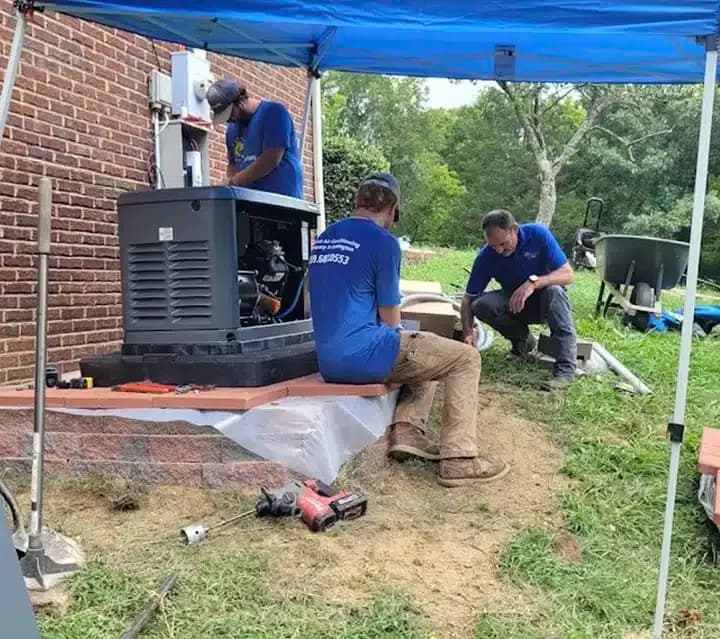 Generators
Is There Any Good Reason to Not Invest in a Whole Home Generator in Lexington?
Power outages in Lexington are not uncommon, and when they happen during winter, the consequences can be serious. Ice storms, high winds, an…
Read More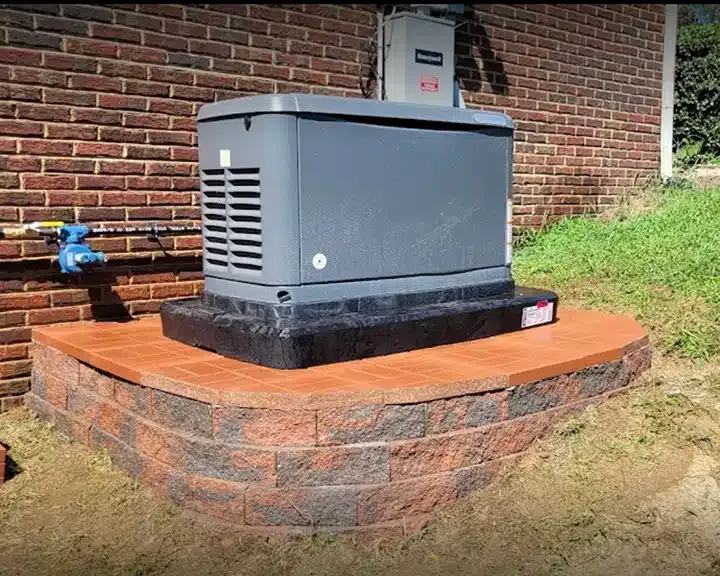 Generators
How A Lexington Generator Can Help During Winter
Winter in Central Kentucky quickly puts the electrical grid to the test with seasonal ice storms, heavy snows, high winds, and sudden temper…
Read More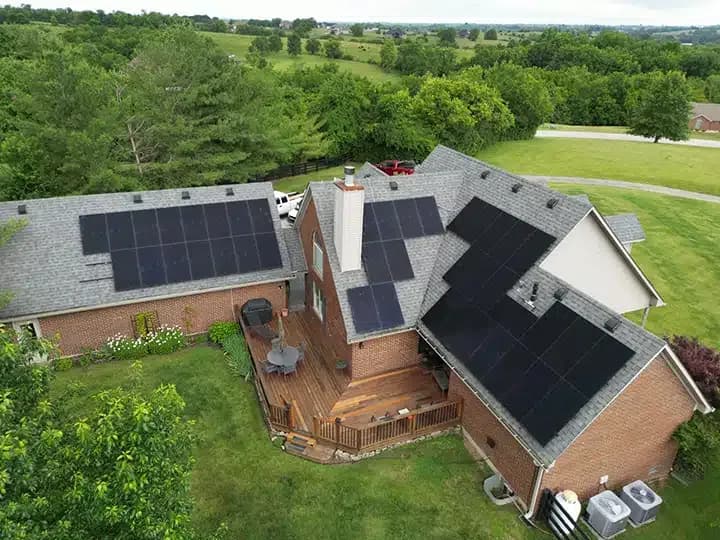 Solar
SolarHow Much Do Solar Panels in Lexington Cost?
If you’re thinking about going solar in Lexington, KY , it’s normal to focus on what the price tag will actually look like. One of the most…
Read More





Real Reviews from Your Neighbors
Why People Pick Us

Fast and Flexible ServiceWe work around your schedule, delivering solutions that meet your needs ASAP.

Transparent PricingNo surprises—just upfront, honest pricing you can rely on.

Licensed and Insured
Feel confident knowing every job is handled by certified professionals with your safety in mind.
Coverage
Areas We Serve
Serving Lexington and the surrounding Central Kentucky communities: