


Serving the Bluegrass Region and Surrounding Areas
Lexington Solar Batteries & Inverters
- Free Second Opinions
- 4.9 Stars on Google
- 24/7 Emergency Service
- Transparent Pricing
Save Today
Ask About Our Current Offers
Seasonal savings on service and installs.
Call for full details. Cannot be combined with other offers.






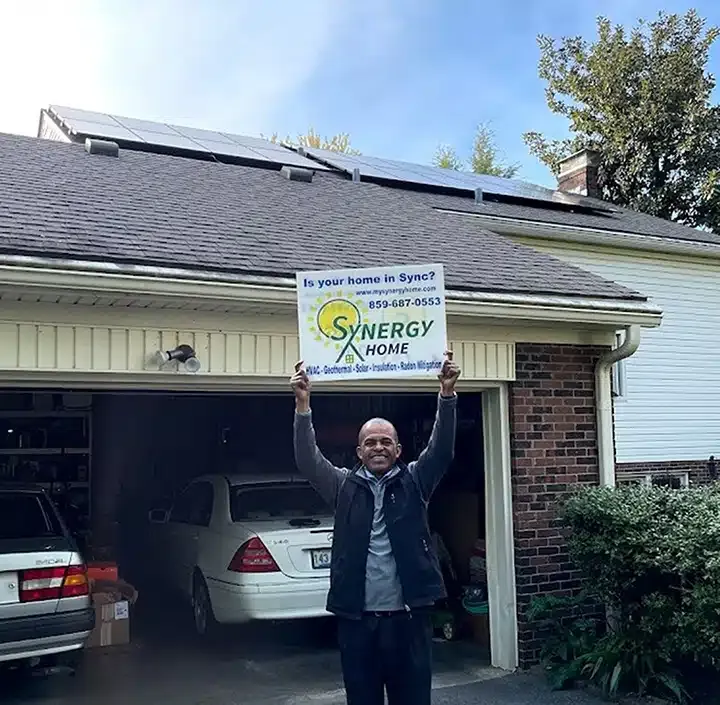
Solar Battery & Inverter Installation In Lexington, KY
The components that determine whether your solar system actually works the way it should.
Your solar panels only do half the job. What happens to that power after it leaves the panel, how it's stored and how it's converted, makes the difference between a system that just sits on your roof and one that actually pays off. At Synergy Home, we've installed and serviced solar batteries and inverters in Lexington since 2014, and we size every component to your home's actual setup instead of pushing a standard package. If you're trying to figure out whether you need a battery, a better inverter, or both, give us a call and we'll walk through it with you.
Whiteboard Wednesdays!
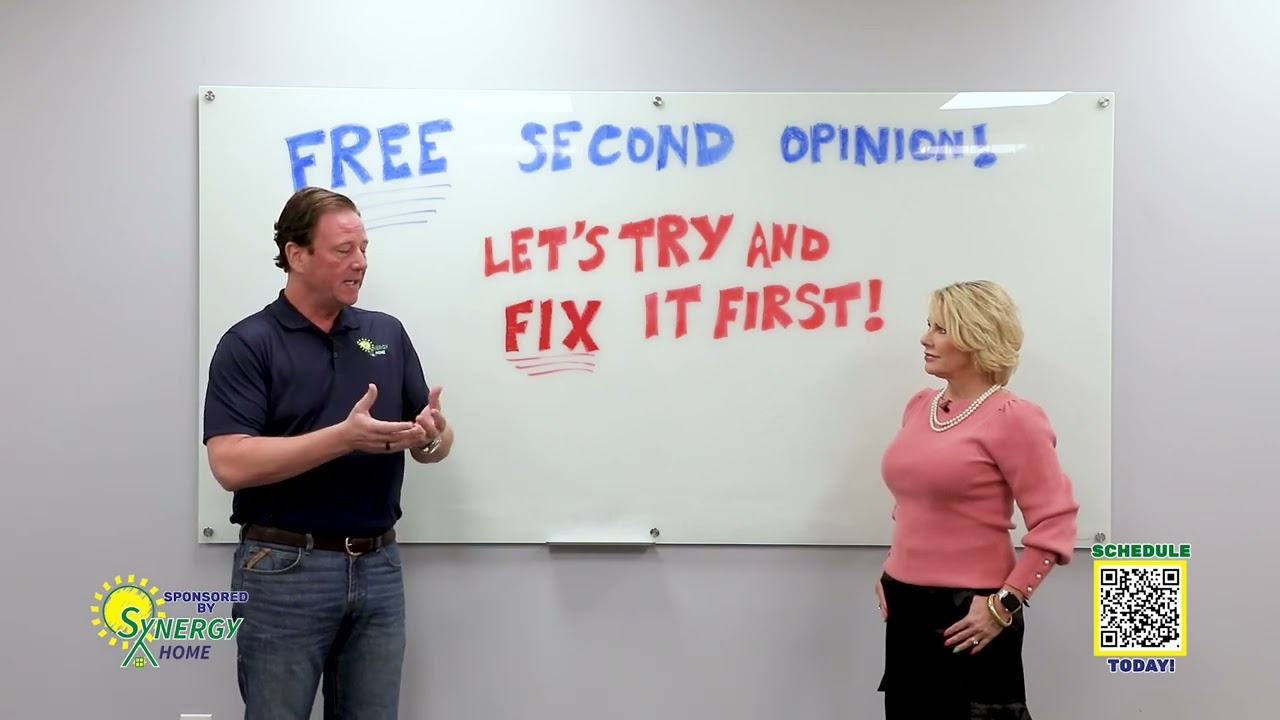

Every Wednesday we tackle a real home comfort question — from HVAC and generators to energy efficiency and everything in between. Straight talk, no sales pitch, from the team your Lexington neighbors keep calling.
View All Videos


Battery vs. Inverter: What Each One Actually Does
If you're newer to solar, it's easy to lump batteries and inverters together as roughly the same thing. They're not. Your inverter takes the DC power your panels generate and converts it to the AC power your home runs on, and it's doing that job every moment the sun's out. Your battery, on the other hand, stores extra power for later, whether that's after dark or during a grid outage. The short version:
- Your inverter makes solar power usable in the first place.
- Your battery gives you control over when you use it.
Every grid-connected solar system needs an inverter to function. A battery is optional, but it's the piece that turns solar from sunlight-dependent into genuinely reliable.
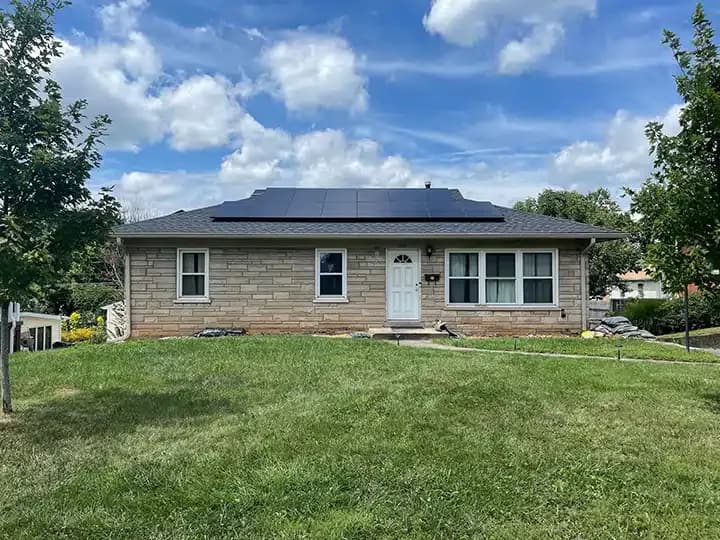
Our Electrical Services
Solar Batteries in Lexington
A solar battery stores the excess power your panels produce during the day so you can use it later, whether that's at night, during peak utility rate hours, or when the grid goes down entirely. Without one, any extra power your system generates simply goes unused.
Solar Inverters in Lexington
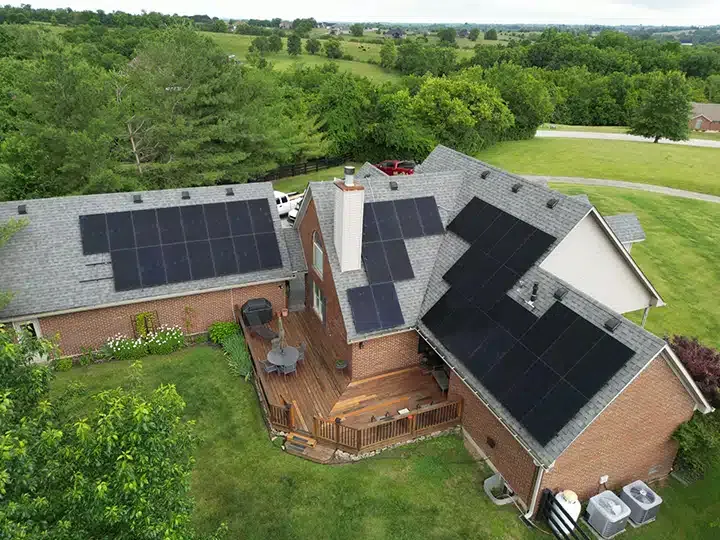
A solar inverter takes the DC power your panels produce and converts it into the AC power that runs your home's lights, outlets, and appliances. It's the component that makes solar electricity usable in the first place, and because it's working continuously whenever the sun's up, it's also the part most likely to need attention as your system ages.
What a Solar Battery Actually Gets You
- Backup Power During Outages: Your refrigerator, Wi-Fi, and essential medical equipment stay running.
- Lower Utility Bills: Use stored power during peak rate hours instead of paying premium pricing.
- Less Wasted Production: Excess energy gets stored instead of lost.
- More Energy Independence: The grid becomes a backup, not a necessity.
- A Smaller Carbon Footprint: More of your power comes from the clean energy you're already producing.
A battery is the upgrade that makes the rest of your solar investment work the way you pictured it would when you first went solar.
Types of Solar Inverters
Three Common Setups, Each With a Different Approach
Most inverters convert DC to AC at around 93% efficiency, with newer models reaching as high as 99%.
- String Inverters: The most common option. Multiple panels are wired together into a "string" feeding one central inverter.
- Microinverters: Smaller units installed on each individual panel rather than routing through a single central unit.
- String Inverters With Optimizers: A combination approach where panels are wired in strings, but optimizers boost performance at the panel level before the main inverter takes over.

InSync Membership
Priority scheduling, seasonal tune-ups, and member-only savings — comfort you never have to think about.
Why Lexington Homeowners Choose Synergy Home for Battery & Inverter Work
This isn't the part of your solar system you want handled by guesswork, especially given the cost and the role it plays during an outage.
- Local Solar Experience Since 2014: We know what holds up against Kentucky weather.
- Hundreds of Systems Installed correctly sized from the start.
- Fully Licensed and IREC-Accredited Technicians.
- Honest, Upfront Pricing with no surprises after the fact.
- A Whole-Home Approach: We size your battery and inverter to your actual system, not a generic package.
- Flexible Financing to keep the upfront cost manageable.





Real Reviews from Your Neighbors
Flexible Financing Options
Don't let an unexpected repair or upgrade wait. We offer convenient financing that keeps your comfort on track and your budget in check.

What Does a Solar Inverter Cost?
Your inverter is usually the second-largest expense in your system after the panels themselves, typically falling between $100 and $2,000 depending on your power needs. As a general rule, it should match your system's DC rating, so a 6-kilowatt system calls for an inverter rated around 6,000 watts. Cutting corners here is a common mistake, since the inverter works harder than any other piece of equipment in your system and is the most likely to eventually need service.
Solar FAQ
Which solar battery is the right fit for my home?
It comes down to your energy use, your budget, and your goals, whether that's outage backup or maximizing daily savings. We'll go over your options together.
Which solar batteries hold up the longest?
Lifespan depends on battery chemistry and how well the system gets maintained. We can talk through the tradeoffs based on your situation.
Are some solar battery types safer than others?
Some chemistries are more stable than others, and we only install batteries we'd be comfortable putting in our own homes.
Do solar batteries qualify for any tax credits?
Many do, under the same federal credit that applies to solar panels, whether you're adding a battery to an existing system or installing both together.
Will I have power during a blackout if I add a battery?
Yes, with a battery installed. Without one, a grid-tied system alone won't power your home during an outage.
How do I make my inverter last longer?
Routine maintenance, keeping it free of debris and moisture, and choosing a model rated for local weather all help extend its lifespan.
How often do inverters typically need repair?
It varies, but since the inverter works harder than any other component, it's the most likely part to eventually need attention. Regular maintenance catches problems early.
Do inverters use power themselves?
A small amount to operate, but it's minor compared to the power they're converting for your home.
What size inverter does my system need?
As a general rule, it should match your system's DC rating. We'll run the numbers for your specific setup.
Additional questions? Give us a call and we’re happy to help!
Get Your Battery or Inverter Sized Right the First Time.
Whether you're adding battery backup, replacing an aging inverter, or just want a second opinion on what's already installed, we'll size it to your actual home rather than a one-size-fits-all package. Call us or fill out our online form to get on the schedule.

Coverage
Areas We Serve
Serving Lexington and the surrounding Central Kentucky communities: